Discovering the Chronicle of Retro Style: A Journey Through Timeless Styles and Movements
The account of retro apparel discloses a tapestry of styles that echo cultural transformations. Each decade brought forth unique trends, from the flapper dresses of the 1920s to the power attire of the 1980s. These garments not only defined self-expression but also underscored societal developments. As one explores the progression of these distinguished looks, the influence on contemporary fashion proves more obvious, inspiring considerations about the cyclical nature of style.
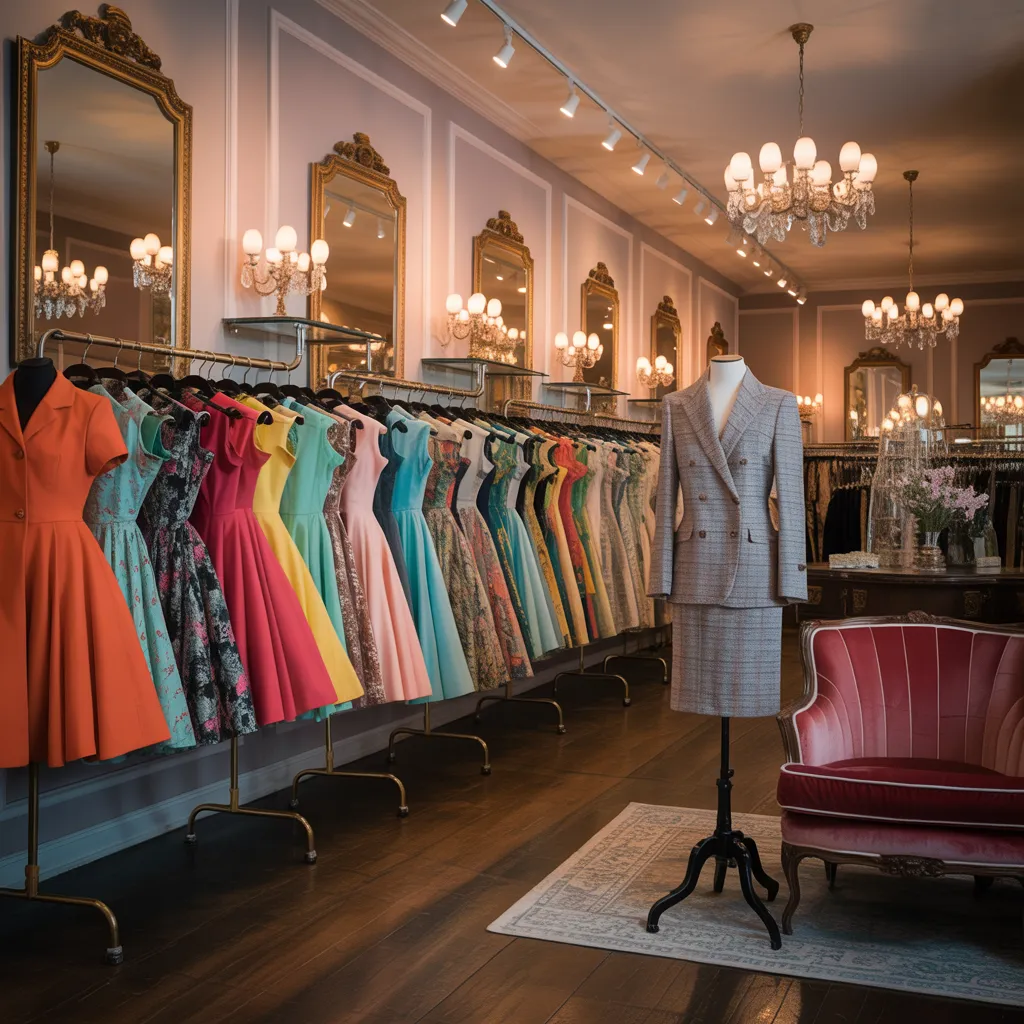
Retro Wear in the Roaring Twenties: Flapper Ensembles and Jazz Age Allure
The Roaring Twenties denoted a revolutionary era in style, defined by the rise of flapper dresses and the exuberance of Jazz Age glamour. This period witnessed women adopt a more independent lifestyle, demonstrated in their clothing choices. Flapper dresses, often adorned with fringes and beads, featured drop waists and loose silhouettes, allowing for freedom of movement on the dance floor. The iconic bob haircut enhanced this new style, symbolizing rebellion against traditional femininity.
Fashion became more accessible due to mass production, with department stores providing ready-to-wear garments. Bold colors, geometric patterns, and lavish materials like silk and satin defined the aesthetic of the time. Accessories such as cloche hats and long pearl necklaces finished the flapper look, emphasizing a modern, youthful spirit. This vibrant fashion movement not only transformed women's attire but also challenged societal norms, opening doors for future generations in the domain of style and self-expression.
1930s Aesthetic: Hollywood Glam and Refined Looks
As Hollywood achieved prominence in the 1930s, fashion began to reflect the allure and grace of the silver screen. The decade was characterized by elegant silhouettes, marked by bias-cut gowns that hung beautifully over the body, highlighting contours. Iconic actresses like Jean Harlow and Greta Garbo exemplified this look, often adorned in opulent materials such as silk and satin.
Bespoke looks surfaced, stressing geometric forms and precision. The fame of the tailored suit for women marked a significant shift, embodying authority and a break from traditional femininity. Designers like Madeleine Vionnet and Elsa Schiaparelli pushed boundaries, presenting groundbreaking silhouettes and striking shades.
Statement jewelry and cloche hats played a key role in achieving the polished appearance. This era introduced a benchmark of elegance that influenced style for decades, leaving an lasting mark on the development of vintage fashion.
1970s Clothing: Nightclub, Designs, and Free-spirited Vibes
Daring and vibrant, the clothing of the 1970s embraced a mix of disco flair, eclectic prints, and bohemian influences. This era signified a significant departure from the structured styles of previous decades. Disco culture controlled nightlife, inspiring outfits embellished with sequins, metallic fabrics, and form-fitting silhouettes. As dance floors pulsed with music, bell-bottom pants and platform shoes became essential wardrobe staples.
At the identical moment, bohemian styles appeared, reflecting a increasingly laid-back, free-spirited philosophy. Flowing maxi dresses, knitted garments, and wide-brimmed hats embodied the essence of the cultural rebellion. Natural hues and bold designs flourished, often incorporating botanical and ornamental prints that reflected a connection to nature.
Prints spanned from angular forms to trippy patterns, displaying individual expression. The 1970s embodied a transformative period in fashion, where individual aesthetics thrived and social trends influenced the aesthetic landscape, establishing an lasting impact that continues to inspire contemporary designers.
1980s Aesthetic: Prominent Jackets and Dramatic Tones
Fashion during the 1980s was marked by strong tailoring and vibrant colors, representing a major transformation in both fashion sense and cultural values. This time saw the emergence of fitted designs, frequently accentuated with wide shoulders and striking lapels, reflecting a growing confidence among women in the office setting. Designers like Giorgio Armani and Claude Montana made famous these dramatic pieces, which were frequently matched with eye-catching accessories, including large jewelry and wide belts.
The color palette of the decade was similarly audacious, offering fluorescent shades and vivid light tones that valuable resource delivered dynamism and positive spirit. Fashion surpassed clothing alone; it was a declaration of empowerment and individuality. The influence of popular culture, significantly through television and music, further advanced these styles, cementing strong tailored wear as a necessary feature for all genders. The 1980s ultimately modified traditional fashion views, honoring a singular mix of professionalism and personal expression.
1990s Nostalgia: Grunge and Vintage Comeback
The 1990s grunge style marked a significant departure from previous fashion movements, embracing a more casual and anti-establishment style. This change not only influenced personal expression but also sparked a resurgence of vintage clothing, as people sought authentic items from past decades. The interplay between grunge and vintage has influenced contemporary fashion, highlighting the cyclical nature of style.
Grunge Artistic Shift
Throughout the 1990s nostalgia that permeates contemporary culture, the grunge style has emerged as an significant influence in the comeback of vintage fashion. Defined by its rebellious spirit, grunge pulls inspiration from alternative rock and youth subcultures of the era. Key elements feature oversized flannel shirts, distressed denim, and combat boots, creating a laid-back yet edgy vibe. This aesthetic speaks to a yearning for authenticity and individuality, standing apart sharply with the polished looks of previous decades. Social media platforms have facilitated this resurgence, allowing vintage finds and DIY fashion to thrive among younger generations. As consumers embrace thrift culture, the grunge aesthetic not only celebrates a bygone era but also promotes sustainable fashion practices in the modern landscape.
Vintage Resurgence Influence
While nostalgia for the 1990s continues to shape contemporary style, the comeback of vintage fashion surpasses mere trend revival. This movement reflects a deeper cultural yearning for authenticity and individuality, as younger generations search for connections to past aesthetics. The grunge look, characterized by thrifted flannel shirts, distressed denim, and combat boots, has seen renewed popularity, denoting a rebellion against polished mainstream fashion. Influencers and designers alike draw inspiration from iconic styles, merging them with modern sensibilities. This vintage resurgence not only revitalizes old silhouettes but also encourages sustainable practices by promoting second-hand shopping. Ultimately, the influence of vintage fashion serves as a bridge between eras, allowing individuals to express their identities through a tapestry of styles and stories.
In What Ways Does Retro Fashion Affect Contemporary Trends?
How does vintage fashion continue to shape contemporary styles? Vintage fashion functions as a abundant wellspring of inspiration for modern designers and fashion enthusiasts alike. Features from past decades, such as the bold prints of the 1960s, the structured forms of the 1950s, and the bohemian flair of the 1970s, regularly reappear in modern assortments. Fashion creators often reinterpret these styles, blending them with contemporary design principles to create fresh looks that resonate with today's consumers.
Furthermore, digital networks serve a crucial function in bringing back vintage trends. Content creators and style experts display vintage-inspired outfits, inspiring their followers to embrace retro styles. This phenomenon has resulted in a greater acceptance of diverse fashion expressions, allowing individuals to combine vintage pieces with modern attire. Ultimately, the cyclical nature of fashion ensures that vintage influences remain integral to the evolution of contemporary style narratives.
Merging Vintage Pieces Into Your Outfit Selection: Tips and Tricks
Integrating vintage pieces to your collection of clothes can enhance personal style and craft unique outfits. First, one should spot classic pieces that connect with their fashion sense, whether it's a 1970s bohemian dress or a classic 1950s blazer. Pairing these pieces with current garments can form a proportioned appearance; for copyrightple, combining a vintage skirt with a modern top provides a balanced fusion.
Accessorizing is essential—antique accessories or a retro handbag can enhance an outfit without overwhelming it. Additionally, focusing on fit is vital; tailoring vintage items can make sure they complement the contemporary figure.
Browsing consignment stores or vintage boutiques allows the discovery of one-of-a-kind treasures. Ultimately, confidence is important when incorporating vintage styles; sporting these pieces with pride will display personal style and uniqueness. By following these guidelines, individuals can smoothly weave vintage fashion into their daily attire.
Commonly Requested Questions
What Establishes "Vintage" Style In Contrast with Other Trends?
Authenticity, age, and cultural significance characterize vintage fashion, typically including styles from at least 20 years prior. It contrasts with contemporary fashion, which prioritizes current trends and innovations over historical context.
How Can I Identify Genuine Antique Pieces?
Real antique pieces can be identified by analyzing tags, sewing methods, material excellence, and design features. Furthermore, investigating period fashion traits and getting expert opinions can help verify the authenticity of the clothing.
Where can you locate vintage fashion occasions or expos worth attending?
Abundant vintage fashion exhibitions and bazaars occur globally, showcasing authentic pieces. Attendees can investigate community vendors, country-wide celebrations, and expert-focused exhibitions, letting enthusiasts to connect, shop, and admire eclectic aesthetics from various eras.
What Elements Must I Keep in Mind When Preserving Vintage Clothing?
When maintaining vintage clothing, one should consider fabric type, appropriate washing techniques, storage conditions, and avoiding direct sunlight. Periodic checks for wear and gentle handling can preserve the clothing's durability and lifespan.
How Do Different Cultures Influence Vintage Fashion Trends?
Various cultures influence vintage fashion trends through distinctive textiles, conventional patterns, and historical clothing. This interplay generates a elaborate collection of styles, allowing contemporary designers to reinterpret and celebrate varied cultural legacies in contemporary style.
Comments on “Best Options for Retro Fashion”